It's 8:47 on Sunday night, and your stomach already knows what tomorrow's calendar looks like. But it doesn't have to be that way.
The Sunday Scaries hit most of the U.S. workforce, and Gen Z feels it hardest. The cause is organizational, tied to workload, trust, and recognition, not a lack of willpower. The fundamentals ease the dread before it turns into a resignation letter.
The term "Sunday Scaries" has been around since at least 2009, when it started showing up in casual conversation to describe the dread that creeps in as the weekend winds down. It's not clinical anxiety, and it's not reserved for people who hate their jobs. Picture the tightness in your chest around 4 p.m. on Sunday, the mental rehearsal of Monday's inbox before you've even opened your laptop, a perfectly nice weekend afternoon swallowed by thoughts of work you haven't started yet.
By now, it's a documented, widely reported experience, not a personality quirk or a sign that someone can't handle their job. Therapists write about it. Workplace researchers study it. Millions of people search for it every year, looking for some mix of relief and validation that they're not the only one lying awake running through everything that could go wrong tomorrow.
That last part matters. The Sunday Scaries are really a preview of how someone feels about their job the other five days of the week, condensed into a few dreaded hours.
The numbers back up what most people already suspect: this is a widespread experience, not a fringe one. A Kickresume survey found 82% of workers have experienced the Sunday Scaries, with the figure climbing to 92% among Gen Z. Nearly 46% of Gen Z workers say they've considered quitting a job over it, and just over 20% say they actually have.
Motivosity's own research points to why. In the 2026 State of Workplace Culture & Connection report, 37% of employees said they rarely or never get meaningful recognition from their manager, and 35% said the same about their peers. When more than a third of people go to work feeling invisible, Sunday night becomes less about rest ending and more about walking back into a place where nobody seems to notice you're there.
Search "Sunday Scaries" and you'll find no shortage of advice: meditate before bed, journal your worries away, set a hard boundary between your work self and your weekend self, try a Sunday reset routine. None of it is bad advice, exactly. Some of it probably helps for an hour or two.
But telling someone to breathe through the dread treats the symptom, not the source. If a person feels anxious every Sunday because their workload is unmanageable, their manager hasn't acknowledged their work in months, or they genuinely don't know what's expected of them on Monday, no amount of box breathing changes any of that. The dread comes right back next Sunday, because the job that caused it hasn't changed.
Self-care content assumes the problem lives inside the employee. Most of the time, it doesn't. It lives inside the workload, the silence where recognition should be, and the gap between what leadership thinks is happening and what's actually happening.
When someone doesn't know what "good" looks like for their role, every Monday feels like walking into a test they didn't get to study for. Unclear priorities, shifting expectations, and a to-do list that grows faster than it shrinks all show up as Sunday dread. The anxiety is less about the number of tasks than about not knowing which ones actually matter, or whether finishing them will even be enough.
Nobody dreads going somewhere they feel wanted. When employee recognition is rare, generic, or saved for annual reviews, people stop expecting it, and the absence becomes its own kind of message. Work that goes unnoticed starts to feel pointless, and pointless work is exhausting in a way that has nothing to do with hours logged. That exhaustion collects all week and cashes out on Sunday night.
A manager relationship built on check-ins that only happen when something's wrong teaches people to associate their manager with bad news. Add in low trust in leadership more broadly, and Monday stops feeling like a fresh start. It starts feeling like walking back into a relationship where you're never quite sure where you stand. That uncertainty is exhausting to carry into a weekend, let alone out of one.
Belonging to your immediate team isn't the same as belonging to the company. Hybrid and remote employees often bond tightly with the three or four people on their direct team and feel almost nothing toward everyone else. That isolation gets loud on Sunday, when the prospect of another week logging into meetings with people who barely know your name starts to feel less like a job and more like a performance.
When employees have no pulse surveys or regular channel to say what's actually going on, frustration doesn't disappear. It just goes quiet, builds, and resurfaces every Sunday as dread instead of as something the company could act on. Without a feedback loop, leadership finds out there's a problem only after someone's already updated their resume.
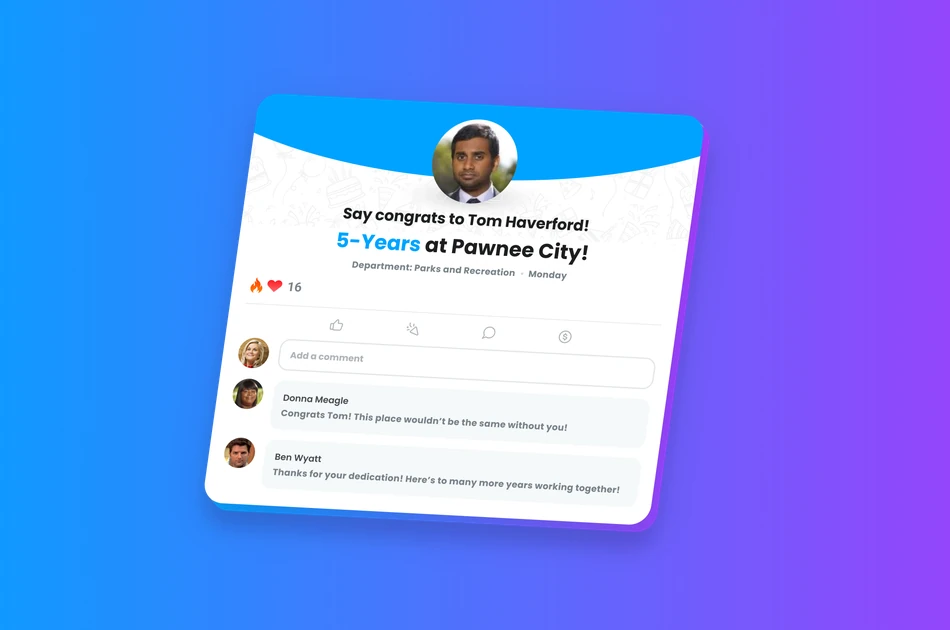
An annual award ceremony doesn't touch Sunday night dread eleven months later. What changes the equation is recognition that happens weekly, is specific about what someone did, and is visible to more than just the manager who gave it. When people can look back at a week and point to a moment someone noticed their work, Sunday stops being the start of an invisible stretch.
Most managers skip check-ins not because they don't care, but because nobody gave them a rhythm to follow or an easy way to track who they haven't talked to in a while. Building a real cadence (weekly one-on-ones, a simple recognition habit, a clear way to flag when someone's workload is off) turns manager relationships from reactive to steady. Steady is what breaks the Sunday spiral.
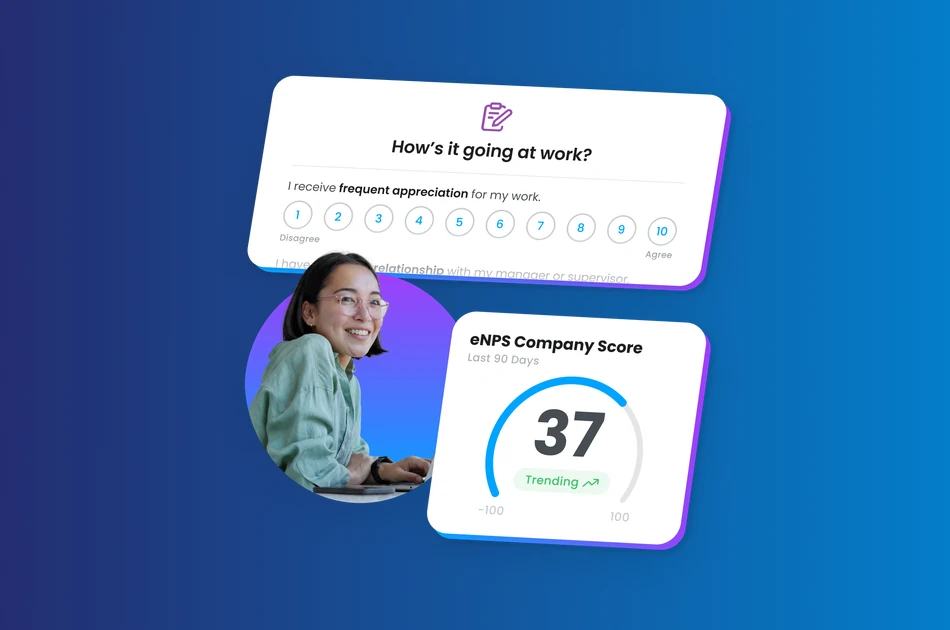
A single annual engagement survey tells you where things stood eight months ago. Regular, short pulse checks catch dread while it's still just dread, before it becomes a resignation letter. This is also where a lot of employee engagement strategies fall apart in practice: companies collect the data and never close the loop, so employees stop answering honestly. The real point is showing people their answers changed something, not just asking the question.
Workload is a culture issue, not just a staffing math problem. Companies that protect people's time off, set realistic deadlines, and actually mean it when they say a role isn't 24/7 give employees a Sunday that feels like their own. If leadership sends emails at 9 p.m. on Sunday, no written policy will convince anyone the boundary is real.
Some signs show up in the data before anyone says a word out loud:
None of these prove a culture problem on their own. Together, they're a pattern that's easy to explain away one at a time and much harder to ignore once you're looking at all of them side by side.
The Sunday Scaries are information, not something to white-knuckle through, and not a sign that someone just needs to want their job more. The fix belongs in the org chart, not in a meditation app.
Recognition that happens all week, not once a year, makes people feel seen on an ordinary Tuesday, and connection tools that reach past someone's immediate team close the belonging gap hybrid and remote work tends to open. Pulse surveys catch the first signs of dread while it's still just a bad feeling, not yet a two weeks' notice sitting in someone's drafts folder.
Motivosity is built on that order: connection first, recognition next, rewards after that. It's why the platform is designed to catch dread as a sentiment, not just clean up after it becomes a resignation. If you're an HR or people leader and want to see how Motivosity helps you build a culture people are excited to return to, request a demo here.
What are the Sunday Scaries and why do I get them?
The dread, anxiety, or low mood that shows up as the weekend ends. Most people get them because something about their job (workload, unclear expectations, low recognition) isn't working the other five days, and Sunday is when it catches up with them.
What percentage of employees experience the Sunday Scaries?
According to a Kickresume survey, 82% of workers have felt it, with the figure climbing to 92% among Gen Z.
Are the Sunday Scaries a sign of a toxic workplace?
Not always, but persistent, severe dread, especially paired with physical symptoms or thoughts of quitting, usually points to something structural: workload, trust, recognition, or communication that needs to change.
Can employers actually do anything about it?
Yes. Since the causes are mostly organizational, recognition habits, manager check-ins, workload norms, and feedback loops are things a company can build and change.
What's the difference between Sunday Scaries and burnout?
Sunday Scaries are tied to the transition back into work and usually ease once the week gets going. Burnout is more constant: exhaustion, cynicism, and a drop in performance that doesn't lift once Monday passes.